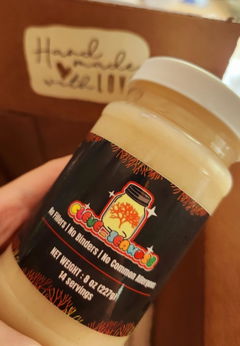


Shipping was very quick and packaged well.
I purchased these gummies to help me wind down from my day as a small businesses owner and they are awesome. I sleep so much better and deeper.

Shatavari Roots | Women's Hormonal Balance, Menstrual & Reproductive Wellness Support


Hormonal Wellness • Menstrual Support • Reproductive Health • Stress Resilience • Feminine Vitality
🌸 Nourish your feminine wellness naturally with one of Ayurveda's most treasured herbs!
Known traditionally as the Queen of Herbs, Shatavari (Asparagus racemosus) has been used for centuries in Ayurvedic herbal practices to nourish and support women's wellness throughout different stages of life.
From monthly menstrual changes to the transitions of perimenopause and menopause, Shatavari has long been valued as a rejuvenating botanical traditionally used to support feminine vitality, reproductive wellness, and overall balance.
Whether you're building a mindful herbal routine or exploring traditional botanicals for women's health, Shatavari offers a time-honored addition to your wellness collection.
🌸 1. Hormonal & Menstrual Wellness
Shatavari is traditionally used in Ayurveda to support female reproductive health.
Traditionally used to promote feminine balance.
Commonly included in herbal routines for menstrual wellness.
May support comfort during normal monthly hormonal changes.
Contains naturally occurring plant compounds called steroidal saponins.
💗 2. Reproductive & Feminine Vitality
Shatavari is widely recognized in Ayurvedic tradition as a women's reproductive tonic.
Traditionally used to nourish female reproductive wellness.
Associated with feminine vitality and overall well-being.
Commonly used in traditional preparations for women at different life stages.
🌺 3. Perimenopause & Menopause Wellness
Shatavari has a long history of use in women's herbal traditions.
Traditionally used during midlife wellness transitions.
Being investigated for its potential role in menopausal comfort.
May complement a broader self-care routine focused on sleep, nutrition, and stress management.
🧘🏽♀️ 4. Stress Resilience & Overall Vitality
Shatavari is considered a rasayana, or rejuvenating herb, in traditional Ayurveda.
Traditionally used to support strength and vitality.
Valued in restorative herbal wellness practices.
Often paired with other botanicals in routines focused on relaxation and resilience.
Supports a holistic approach to everyday self-care.
🌱 5. Digestive Comfort
Shatavari has also been used in traditional Ayurvedic digestive preparations.
Traditionally valued for its soothing botanical properties.
Commonly incorporated into nourishing herbal preparations.
Contains naturally occurring plant constituents being studied for digestive wellness.
🤱 6. Traditional Lactation Support
Shatavari has historically been used as a galactagogue, an herb intended to support breast milk production.
Some small studies have explored this traditional use, but results are not conclusive. Anyone who is pregnant, breastfeeding, or considering Shatavari for milk supply should consult a qualified healthcare professional before use.
Botanical name: Asparagus racemosus
Traditional Ayurvedic women's wellness herb
Whole-root herbal preparation
Versatile for herbal decoctions
Used in traditional rejuvenation and feminine wellness practices
Single botanical ingredient
Shatavari roots are commonly prepared as a decoction because roots generally require longer heating than delicate flowers or leaves.
Place the amount of Shatavari root into a saucepan.
Add the recommended amount of water.
Gently simmer according to the preparation instructions.
Strain and enjoy.
Important: Follow the serving directions. Do not assume that tea preparation and powdered-root serving sizes are interchangeable.
Create your own traditional women's wellness herbal routine by exploring these complementary botanicals.
🌺 Shatavari + Red Raspberry Leaf
A traditional pairing for women's menstrual wellness.
Shatavari is traditionally associated with reproductive nourishment.
Raspberry leaf has a long history of use in women's herbal traditions.
🌿 Shatavari + Spearmint
A refreshing combination for those interested in feminine and hormonal wellness.
Shatavari offers traditional reproductive wellness support.
Spearmint has been studied for its potential effects on androgen levels.
🌸 Shatavari + Rose Petals
A beautifully aromatic pairing for relaxation and self-care.
Shatavari brings its traditional rejuvenating qualities.
Rose petals contribute a gentle floral aroma and comforting tea experience.
🍋 Shatavari + Lemon Balm
A soothing combination for an evening wellness ritual.
Shatavari is traditionally used for vitality and balance.
Lemon balm has some evidence supporting relaxation and occasional stress relief.
🌿 Shatavari + Ginger
A warming herbal pairing for digestive comfort.
Shatavari is traditionally used in nourishing herbal preparations.
Ginger has better-established research supporting digestive function and occasional nausea relief.
Women exploring traditional Ayurvedic wellness
Individuals interested in menstrual and reproductive health traditions
Customers building a holistic feminine self-care routine
Herbal tea enthusiasts seeking traditional root botanicals
Those interested in plant-based wellness practices
Shatavari may not be suitable for everyone. Consult a healthcare professional before use, especially if pregnant, breastfeeding, trying to conceive, taking medication, or managing a hormone-sensitive condition.
Avoid use if you have a known allergy to asparagus or related plants. Discontinue use if an allergic reaction occurs.
FDA Disclaimer: These statements have not been evaluated by the Food and Drug Administration. This product is not intended to diagnose, treat, cure, or prevent any disease.
🌸 Reconnect with centuries of Ayurvedic herbal tradition. Discover Shatavari Roots and bring a nourishing botanical ritual into your everyday wellness routine.